Climate Authority
Built for the Wasatch Front
Utah pavements need resilient binder performance, stable sub-grade compaction, and smart drainage details to survive snow, summer heat, and shoulder-season moisture swings.
Utah Valley Asphalt Services
Asphalt paving is the construction and preservation of driveways, roads, and parking lots using engineered aggregate and asphalt binder systems designed for traffic, drainage, and climate stress. Utah Valley Asphalt helps homeowners, property managers, HOAs, and commercial operators protect surfaces against UV oxidation, snowmelt intrusion, and freeze-thaw damage with premium workmanship and fast response times.
6
Core asphalt services
13
Target cities served
4-Season
Utah climate strategy
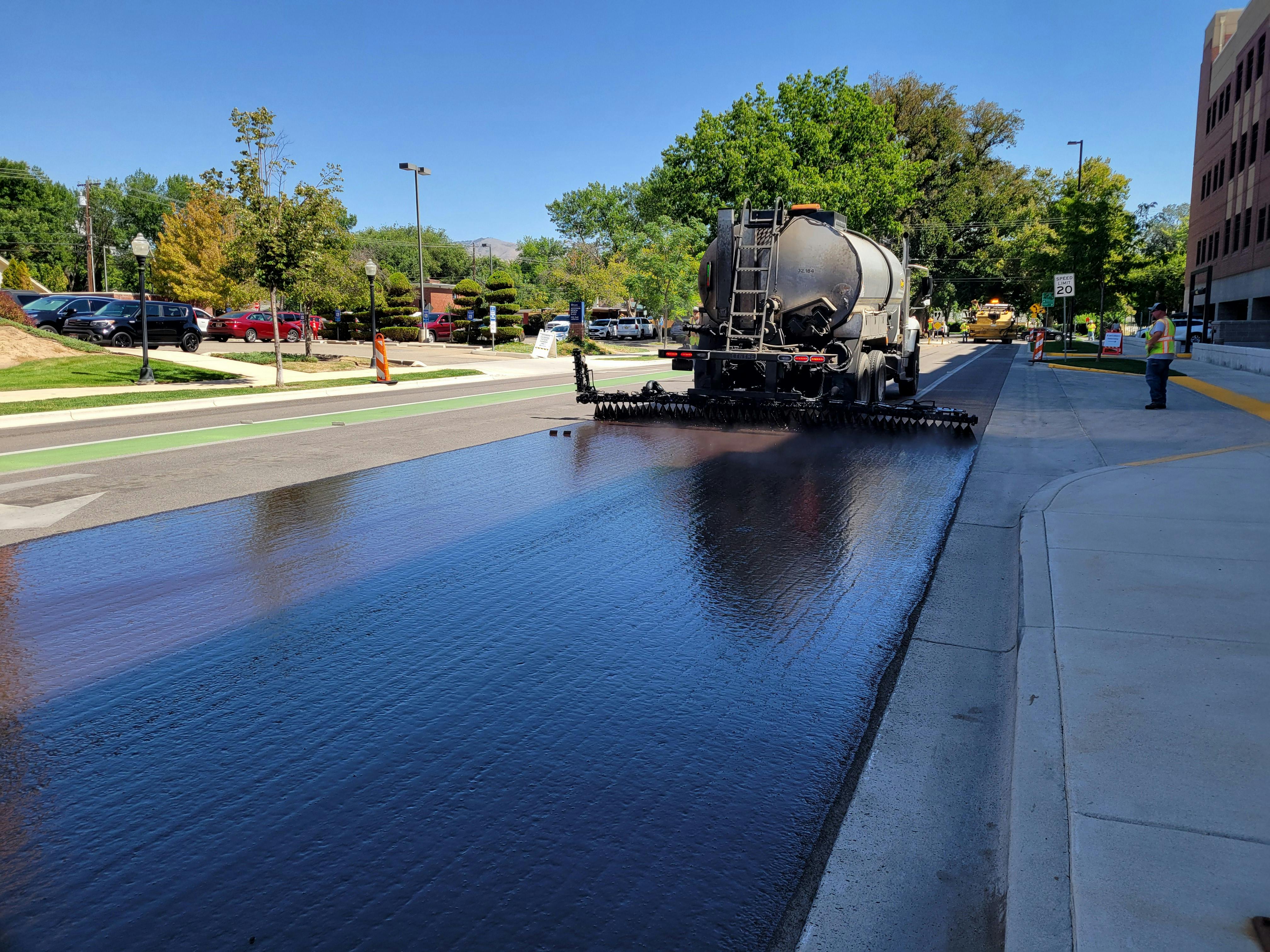
Climate Authority
Utah pavements need resilient binder performance, stable sub-grade compaction, and smart drainage details to survive snow, summer heat, and shoulder-season moisture swings.
Commercial Focus
Traffic staging, ADA striping, and phased work plans keep businesses accessible while surface restoration is completed with minimal disruption.
Free Estimates
Homeowners and property managers can get straightforward recommendations for paving, sealcoating, crack repair, and parking lot maintenance based on the condition of the surface.
Why Utah Paving Is Different
Freeze-thaw distress happens when moisture enters small pavement voids, expands during cold nights, and breaks aggregate bonds as temperatures bounce above and below freezing. In cities like Lehi, Orem, and Provo, that cycle can accelerate alligator cracking, raveling, and edge failure if the original base is weak or the surface was left unsealed for too long.
A premium contractor does more than place hot mix. The job starts with compaction testing, grade control, and drainage planning so water leaves the surface instead of ponding. Marshall Mix Design targets aggregate structure and asphalt content so the mat can resist rutting in summer while staying flexible enough for winter movement. That balance matters on residential driveways, high-traffic retail lots, and industrial yards across Utah Valley.
Utah Valley Asphalt focuses on pavement preservation before failure becomes structural. Sealcoating slows oxidation from high-elevation UV exposure. Mastic crack repair blocks water intrusion at active joints and transverse cracks. Milling corrects surface defects without tearing out stable base material. Striping brings visibility and liability control back to commercial sites. That maintenance-first strategy helps owners spend less over the pavement life cycle while keeping curbs, sidewalks, and entrances looking clean and professional.
Core Services
Residential paving is the installation of smooth, durable asphalt driveways and private lanes built to handle family traffic, snow shoveling, and long-term curb appeal.
Read more →Commercial paving is the construction and rehabilitation of parking lots, access roads, and industrial surfaces designed for higher axle loads and liability-sensitive traffic flow.
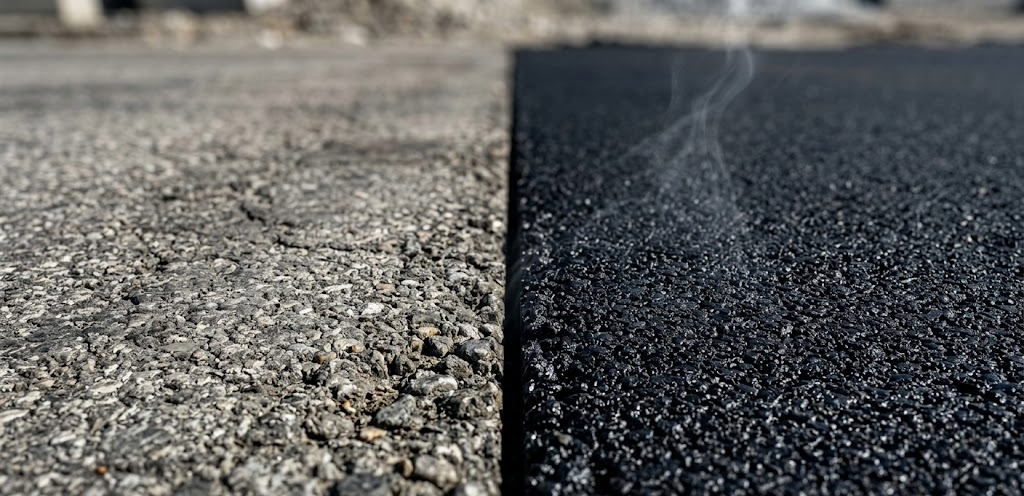
Read more →Sealcoating is a protective surface treatment that slows oxidation, resists water penetration, and restores the deep-black finish Utah property owners want.
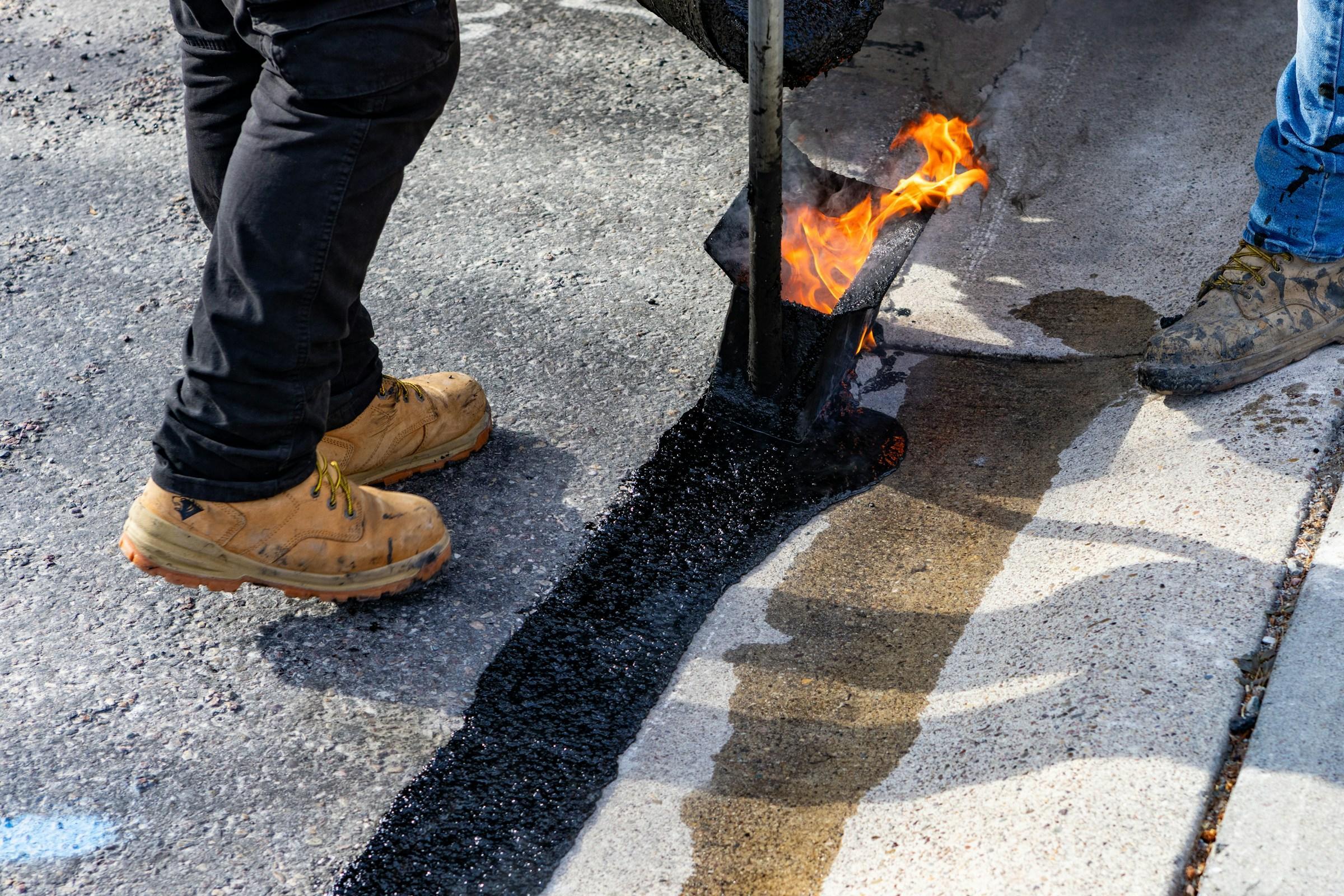
Read more →Mastic crack repair is a hot-applied, high-build sealing method that outperforms basic crack fill on working cracks and is especially effective during Utah winters.
Read more →Parking lot striping restores directional control, ADA compliance, stall organization, and first impressions for retail centers, medical offices, and HOAs.
Read more →Asphalt milling removes worn surface layers with precision so pavement can be resurfaced at the correct elevation without full reconstruction.
Read more →Featured Protection
Standard crack fill works for narrow, low-movement splits, but Utah’s temperature swings often create active joints that open, close, and shear under wheel loads. A quality mastic product is thicker, more elastic, and better at bridging irregular crack patterns that collect snowmelt and de-icing residue.
For shopping centers in Lehi, subdivision roads in American Fork, and drive aisles in Provo, mastic buys time before major rehabilitation is required. That makes it one of the most cost-effective preservation treatments a local owner can schedule before winter.
The Paving Process
Service Area
Silicon Slopes campuses in Lehi need clean, high-capacity parking layouts. Provo and Orem homeowners want smooth driveways that stand up to snow and UV exposure. Springville, Spanish Fork, and Payson properties often need durable surfaces that can handle heavier vehicle use, windblown debris, and seasonal drainage challenges. These city pages are written to capture localized search intent while staying informative and useful.
FAQ
Sealcoating performs best from late spring through early fall when pavement temperatures stay warm enough for cure and bond development. Dry weather and moderate overnight temperatures matter more than the calendar alone.
A professionally installed driveway can last 15 to 25 years when the base is stable, drainage is correct, and sealcoating or crack repair is done before moisture reaches the base layers.
Mastic better resists water intrusion and thermal movement than simple filler, which makes it ideal for Utah’s snowmelt and repeated freeze-thaw conditions.
Yes. Phased scheduling and traffic-control planning allow many shopping centers, offices, and HOAs to stay partially open while work is completed in sections.
Crack sealing is usually a narrower preventative treatment, while repair can involve routing, cleaning, mastic, or localized patching depending on crack width and movement.
Many commercial sites restripe every 1 to 3 years or immediately after sealcoating, depending on fading, snowplow wear, and traffic volume.
Milling makes sense when the top surface is deteriorated but the base remains structurally sound. It preserves elevation, lowers cost, and prepares the lot for an overlay.
Standing water, neglected cracks, poor sub-grade compaction, overloaded vehicles, and oxidation from high-altitude sun exposure are the biggest life-span reducers.
Next Step
If your driveway is cracking, your retail center needs fresh striping, or your HOA roads are showing oxidation, Utah Valley Asphalt can position the right preservation plan before repair costs escalate.